In the tenth year of our existence, Southern University of Science (SUSTech) has been supported by its three pillars of “Research, Innovation, and Entrepreneurship.” As our student community has passed through our campus over the years, they have excelled in many areas.
Some students excel in multiple areas, in and out of our verdant campus. One such student in Jintao ZHENG (’20, Electrical and Electronic Engineering), who is heading to Huawei HiSilicon as a chip development engineer, after spending time on the front line of poverty alleviation.
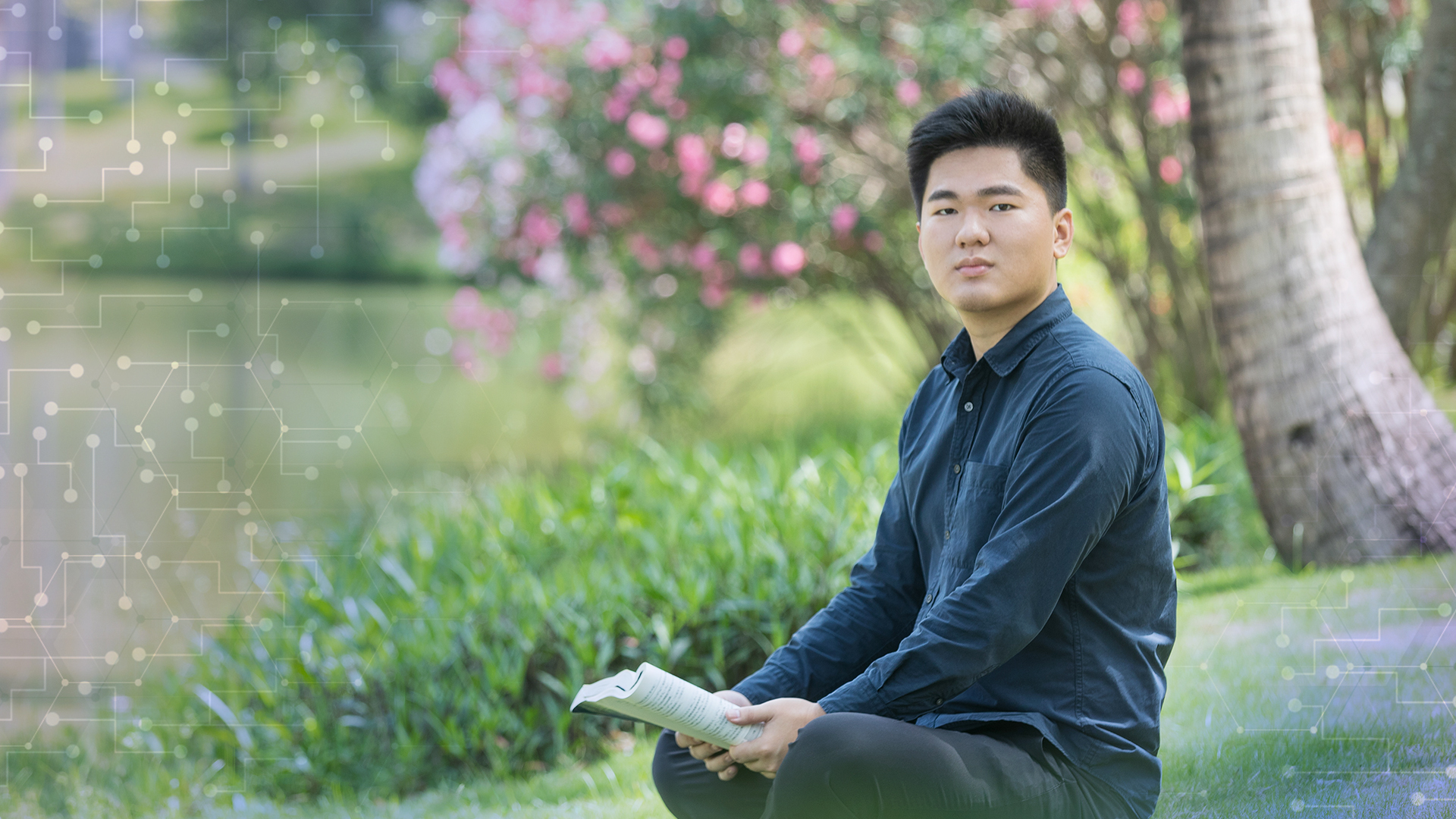
Jintao ZHENG came from Shantou, a few hundred kilometers east of Shenzhen. SUSTech’s innovative teaching methodologies, and its placement in Shenzhen, drove him to come to SUSTech. “SUSTech was my dream school, and I was able to get in!”

On arriving at SUSTech, University Council Chairperson Yurong GUO became his life tutor. Even though she is an exceptionally busy administrator, she always makes time to communicate with her tutees, guiding them, and taking part in activities with them. He reflected on the many activities that she attended as a tutor for Shude College, including making dumplings, talking about home cooking, and eating moon cakes together. “The group was very close, with Chairperson GUO very concerned about our plans for graduation. Even during the recent pandemic, she would check in on us, as we would with each other.”
When Jintao ZHENG originally planned his life, he entered the laboratory of Assistant Professor Zhaojun LIU to focus on optoelectronic information science and engineering. It was here that he first learn about scientific research, took part in group meetings, and presented conference papers. He also applied for grants and even participated in multi-million dollar entrepreneurship competitions.
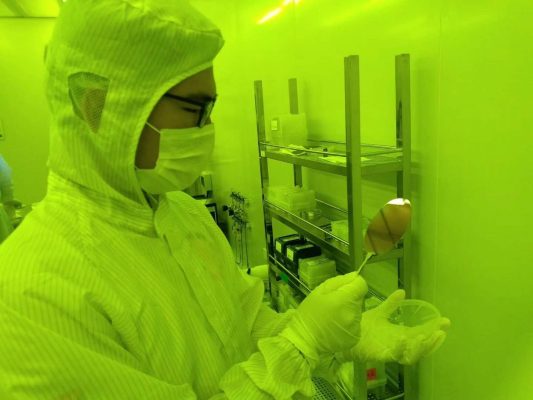
However, for his future development, Jintao ZHENG opted to head in a slightly different path by majoring in microelectronic science and engineering and devote himself to chip research. “Professor LIU was an excellent mentor, so it was excellent to find a similar personality in Professor Tao YE as my academic tutor.” When entering Tao Ye’s laboratory, he could feel the warmth of a large family immediately, with an atmosphere that encouraged shared progress.
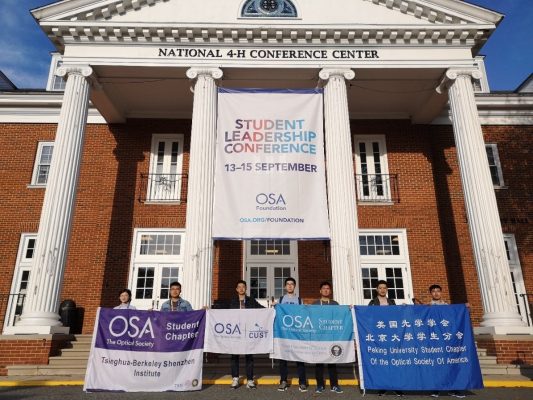
As part of his involvement in his academic pursuits, Jintao ZHENG joined the Optical Society of America (OSA) – SUSTech Branch and Institute of Electrical and Electronics Engineers (IEEE) – SUSTech Branch. He enhanced his skills in numerous ways as a result of his involvement with these organizations, to the point of attending the OSA International conference in Washington, DC. His efforts to present papers at conferences and display posters are fundamentally inseparable from the intertwined efforts of his work, along with that of Assistant Professor Zhaojun LIU and Professor Tao YE.
However, Jintao ZHENG was not satisfied with excelling in the classroom. He recognized that he had to help those that were less fortunate. It led to his willingness to volunteer to help in poverty-stricken villages. He was heavily involved in the SUSTech Volunteer community throughout his four years on campus, working on how to bring public education to students at all levels and how to deal with the community.
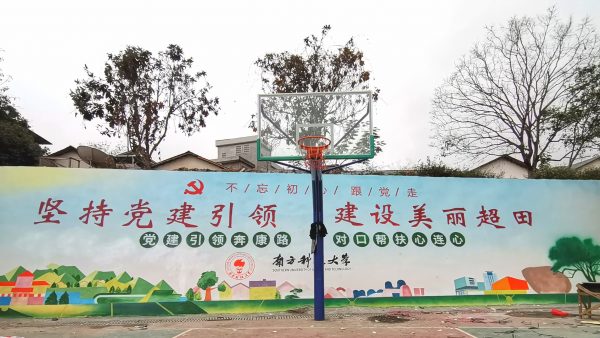
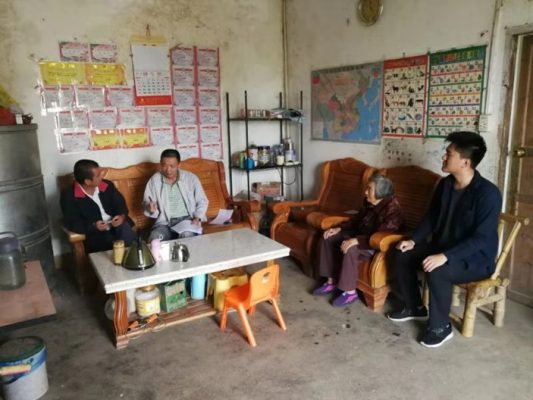
He would regularly travel to Chaotian Village in Heyuan City, northeastern Guangdong Province, to assist the community in their poverty alleviation practices. He would organize summer camps for middle school students as well as support other educational practices. He would also work with local families to get a better understanding of their needs.
Jintao ZHENG took a different direction from many classmates. He has opted to head into the workplace to put his academic prowess into reality. With the need for technological breakthroughs in areas such as silicon chips, companies are employing more students out of university to work in this field.
By pure chance, Jintao ZHENG saw a recruitment notice of interns at Huawei. He was taking the Application Specific IC (ASIC) Designs, Methodology, and Practice class of Professor Tao YE at the time. It requires students to design digital chips from front to back, a skill that is prized and attractive to recruiters. The foundation that was laid at SUSTech provided him with the skills to work with a master’s student for faster progress in their project under his internship.
His improved understanding of designing chips for the industry, he decided to stay at HiSilicon, a fully-owned subsidiary of Huawei. “I believe that going to HiSilicon at this time is more meaningful and provide a better opportunity for me.”
Looking back on the last four years, he wanted to thank SUSTech for giving him the platform for global growth, career planning, and professional development. He has experienced all sorts of challenges during his time at SUSTech, but he has become more experienced as a result. He can face hardship in the future.